
Botox in London: How Is the Treatment Area Selected During Consultation?
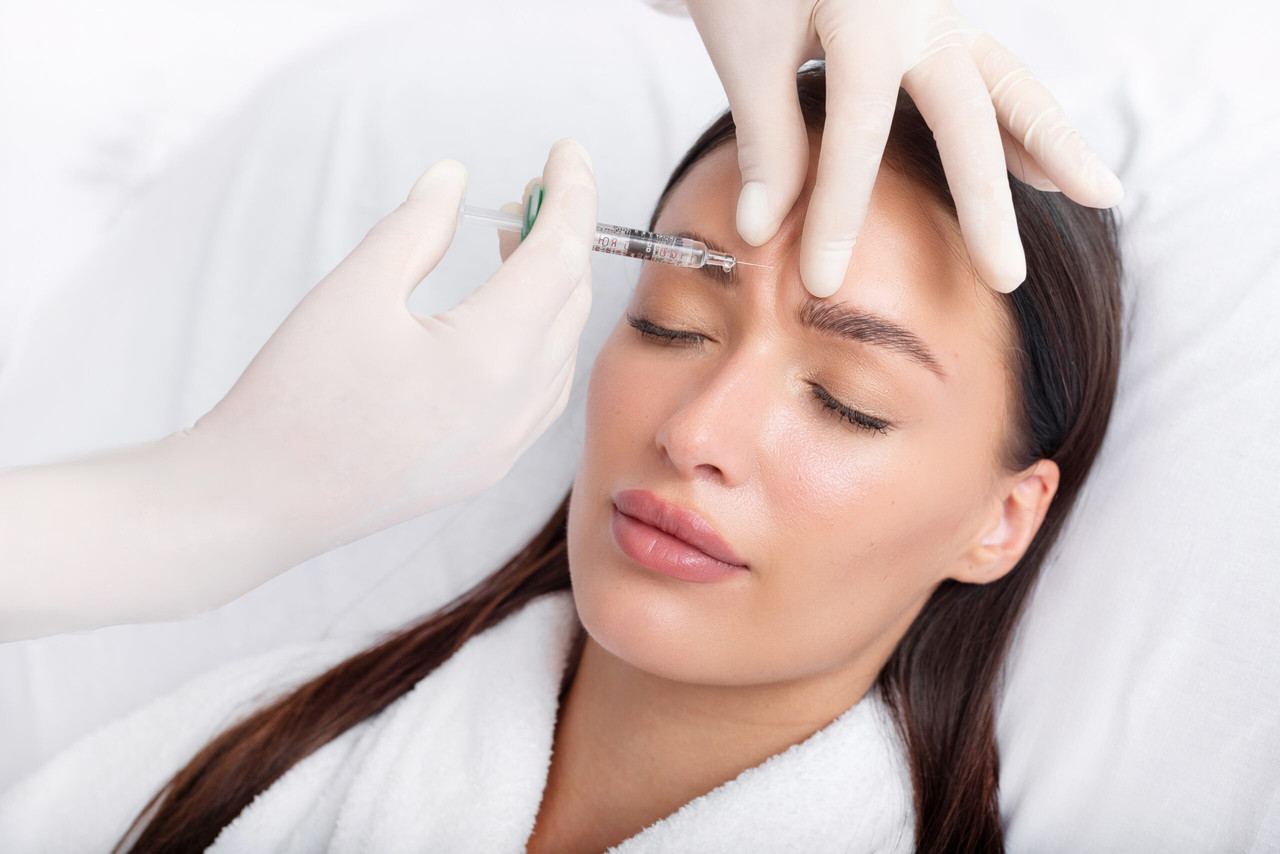 A Botox consultation is more than simply identifying visible lines on the face. The treatment area is selected by considering facial movement, muscle activity, the patient’s concerns, facial proportions and the desired aesthetic outcome. Because every person’s facial structure and expression patterns are different, a personalised assessment can help determine which areas should be considered.
When considering Botox in London, understanding how the treatment area is selected can help patients prepare for their consultation. A practitioner may assess the face both at rest and while making different expressions, allowing them to understand how individual muscles contribute to visible lines and changes in facial movement.
At Bodyvie Clinic, consultation can provide an opportunity to discuss individual concerns and develop a treatment plan based on the patient’s facial characteristics and objectives.
Why the Consultation Matters
The consultation is an important stage in determining where Botox treatment may be considered. Visible lines alone do not necessarily provide enough information to decide which areas should be treated.
A practitioner may assess how the facial muscles move and how different areas interact. They can also discuss the patient’s main concerns and what they would like to achieve.
For example, someone may be concerned about forehead lines, while another person may focus more on the area between the eyebrows or around the eyes. The treatment plan can therefore vary according to individual needs.
Assessing Facial Movement
Facial movement is one of the key factors considered during an anti-wrinkle treatment consultation.
The practitioner may ask the patient to make different facial expressions, such as raising the eyebrows, frowning or smiling. This allows the practitioner to observe which muscles are active and where movement is most noticeable.
This dynamic assessment can provide information that is not visible when the face is completely relaxed.
By understanding the relationship between muscle activity and visible expression lines, the practitioner can discuss which treatment areas may be appropriate.
Examining the Face at Rest
Although facial movement is important, the face may also be examined while relaxed.
The practitioner can assess the natural appearance of the forehead, eyebrows, eye area and other facial features.
Looking at the face at rest allows the practitioner to understand the patient’s natural facial proportions and the appearance of existing lines without active muscle contraction.
The information gathered from both the resting and moving face can then contribute to the overall treatment plan.
How the Forehead Is Assessed
The forehead is a commonly discussed area during Botox consultations. Horizontal lines may become more visible when the eyebrows are raised.
During assessment, the practitioner may observe how strongly the forehead muscles contract and how this movement affects the skin.
The position of the eyebrows and the overall proportions of the upper face can also be considered.
This helps the practitioner understand how the forehead relates to the surrounding facial structures before discussing whether it should be included in treatment.
Evaluating the Area Between the Eyebrows
The area between the eyebrows is another region that may be assessed during consultation. Repeated frowning can create vertical expression lines in this area.
The practitioner may ask the patient to bring their eyebrows together and observe the resulting muscle movement.
This assessment can help identify which muscles contribute to the appearance of the lines and how the area interacts with the forehead and eyebrows.
Treatment planning can then be discussed according to the individual’s facial movement and objectives.
Assessing Lines Around the Eyes
The outer eye area can also be evaluated during consultation. Lines in this region may become more noticeable when smiling or narrowing the eyes.
The practitioner may observe the movement around the eyes while the patient makes natural expressions.
The surrounding facial anatomy can also be considered, including the relationship between the eyes, eyebrows and cheeks.
This allows the treatment area to be selected according to the individual’s facial movement rather than simply treating every visible line.
Considering Eyebrow Position
Eyebrow position can be an important part of upper-face assessment. The eyebrows naturally vary in shape, height and position from one person to another.
During consultation, the practitioner may observe how the eyebrows move when the patient raises or lowers them.
Understanding these movements can help inform decisions about which areas may be considered for treatment.
The aim is to account for the individual’s existing facial structure rather than applying exactly the same treatment pattern to everyone.
Facial Proportions and Treatment Selection
Facial proportions can influence how different areas appear in relation to one another.
The forehead, eyebrows, eyes, cheeks, nose, lips and chin contribute to the overall appearance of the face. When considering Botox Injections In London, the practitioner may look at these relationships when developing a treatment plan.
For example, changes in the upper face can influence the overall appearance of facial expressions. Assessing the complete area can therefore be more informative than focusing on one line in isolation.
Understanding Individual Muscle Activity
People can have different levels of facial muscle activity. One person may have particularly noticeable movement in the forehead, while another may have more pronounced movement between the eyebrows.
The practitioner can observe the strength and pattern of muscle contractions during consultation.
This helps identify areas where movement is most relevant to the patient’s concerns.
Treatment selection can then be based on the combination of muscle activity, visible lines and individual treatment goals.
Considering Facial Symmetry
The two sides of the face are not always identical. There may be natural differences in muscle movement, eyebrow position or facial structure.
During consultation, the practitioner may compare both sides of the face while the patient makes different expressions.
This can provide additional information when selecting treatment areas.
The purpose is to understand the individual’s natural facial characteristics and incorporate them into the treatment discussion.
Discussing the Patient’s Main Concerns
The patient’s concerns are another important part of treatment-area selection.
A person may want to address one particular expression line, while another may be interested in discussing several areas of the upper face.
The consultation provides an opportunity to explain these concerns clearly.
The practitioner can then consider the patient’s priorities alongside the anatomical assessment and discuss which areas may be relevant.
Considering the Desired Outcome
Treatment planning should also reflect what the patient hopes to achieve.
Some people may want to maintain natural facial movement while addressing particular expression lines. Others may be interested in discussing a broader approach to the appearance of the upper face.
The practitioner can discuss these preferences during consultation.
Understanding the desired outcome helps ensure that the treatment area is selected as part of a wider plan rather than being based solely on the presence of lines.
Why a Standard Treatment Pattern May Not Suit Everyone
Facial anatomy varies considerably. Differences in muscle strength, facial proportions, eyebrow position and expression patterns mean that two people with similar concerns may have different treatment requirements.
A standard treatment pattern may therefore not reflect the specific characteristics of every individual.
An individual consultation allows the practitioner to assess the patient’s face directly and determine which areas should be considered.
This personalised process is particularly useful when patients want a treatment plan that reflects their natural facial characteristics.
Previous Botox Treatment Can Be Relevant
Previous anti-wrinkle treatment may also be discussed during consultation.
Patients should tell the practitioner about previous Botox treatments, including which areas were treated and when the treatment was performed.
This information can provide useful context when assessing current muscle activity and facial movement.
The practitioner can then consider the patient’s treatment history alongside the current assessment.
What Happens During a Botox Consultation?
A typical consultation may involve several stages. The practitioner can begin by asking about the patient’s concerns and treatment objectives.
They may then examine the face at rest before asking the patient to make specific expressions.
The practitioner may assess:
- Forehead movement
- Eyebrow position
- Frown muscle activity
- Movement around the eyes
- Facial symmetry
- Overall facial proportions
- Existing expression lines
The findings can then be discussed with the patient, including which treatment areas may be considered and why.
How the Treatment Plan Is Individualised
Once the facial assessment is complete, the practitioner can combine the anatomical findings with the patient’s preferences.
This may involve selecting one treatment area or discussing several areas together.
The proposed plan can be explained in detail so that the patient understands which facial muscles and areas are being considered.
The patient can also ask questions about the treatment plan before deciding whether to proceed.
Choosing a Botox Clinic in London
People researching the Best Botox Clinic London may want to consider how the consultation process is conducted.
A detailed consultation can provide an opportunity for the practitioner to assess facial movement and anatomy rather than relying solely on a patient’s description of their concerns.
Patients may also wish to ask how the clinic determines suitable treatment areas and how individual goals are incorporated into planning.
At Bodyvie Clinic, patients can discuss their concerns and undergo an individual assessment before a treatment plan is considered.
Preparing for Your Consultation
There is no need to approach a consultation with a fixed treatment plan. Instead, patients can think about the areas that concern them and explain what they would like to address.
It can be useful to consider:
- Which facial lines are most noticeable to you
- Whether they appear mainly during expression
- Which facial areas you would like assessed
- Your preferred aesthetic outcome
- Any previous Botox treatments
- Questions about the proposed treatment areas
Being open about your preferences allows the consultation to be more personalised.
Conclusion
Selecting a Botox treatment area involves more than identifying visible facial lines. A practitioner can assess muscle activity, facial movement, eyebrow position, facial proportions, symmetry and the patient’s individual concerns before developing a treatment plan.
When considering Botox in London, a consultation provides an opportunity to understand how these factors influence treatment-area selection. Observing the face both at rest and during expression can help identify the muscles associated with particular lines and determine which areas should be discussed.
At Bodyvie Clinic, an individual consultation can help patients understand how their facial anatomy and treatment objectives contribute to the development of a personalised Botox plan.
FAQs
How is a Botox treatment area selected?
The treatment area can be selected after assessing facial movement, muscle activity, facial proportions, visible expression lines and the patient’s individual concerns.
Why is facial movement assessed during a Botox consultation?
Observing facial movement helps the practitioner understand which muscles contribute to particular expression lines and how strongly those muscles move.
Is the face assessed when it is relaxed?
Yes. Examining the face at rest can provide information about natural facial proportions, eyebrow position and the appearance of existing lines.
Can the forehead be assessed during a Botox consultation?
Yes. The practitioner may observe forehead movement when the patient raises their eyebrows and consider how the forehead relates to the surrounding facial structures.
How is the area between the eyebrows assessed?
The practitioner may ask the patient to frown or bring the eyebrows together while observing the muscle movement in the area.
Can lines around the eyes be considered?
Yes. The practitioner may assess movement around the outer eye area while the patient smiles or makes other natural facial expressions.
Does eyebrow position influence Botox treatment planning?
Eyebrow position and movement can be considered because the eyebrows interact with muscles in the forehead and central brow region.
Can facial symmetry affect treatment planning?
Yes. The practitioner may compare movement on both sides of the face to understand natural differences in muscle activity and facial structure.
Can I request a specific treatment area?
You can discuss any area that concerns you during consultation. The practitioner can assess that area and explain whether it is appropriate to include in the proposed treatment plan.
Does previous Botox treatment matter?
Previous Botox treatment can be relevant because it may affect current muscle activity and facial movement. Patients should provide details of previous treatment during consultation.
How long does a Botox consultation take?
The consultation length can vary depending on the individual’s concerns and the extent of the facial assessment. The practitioner can explain the consultation process when you book your appointment.
What should I discuss during a Botox consultation?
You can discuss the facial lines that concern you, your preferred aesthetic outcome, previous treatments and any questions about the areas being considered.
What should I look for when choosing a Botox clinic in London?
When researching a Best Botox Clinic London, you may wish to consider whether the clinic provides an individual facial assessment, discusses your treatment goals and explains why particular treatment areas are being considered.