
Are Red Wigglers or Earthworms Better to Buy? A Complete Guide
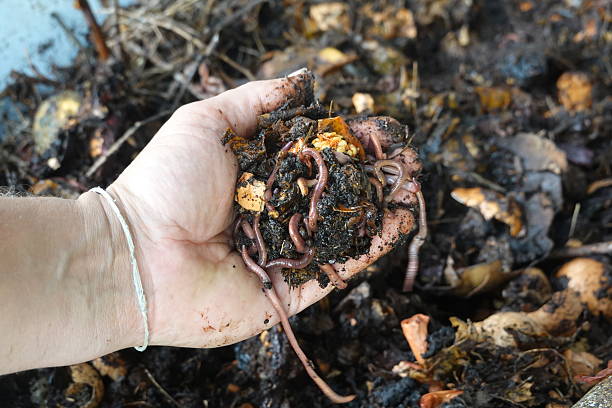
Choosing the right worms can make a big difference when starting a composting project or improving your garden. Red wigglers and ordinary earthworms are both useful, but they have different natural habitats and purposes. Buying the wrong type can lead to disappointing results, especially if the worms cannot adapt to their new environment.
So, are red wigglers or earthworms better to buy? The answer depends on whether you want to recycle kitchen waste, produce worm castings, or support the soil in your garden. Understanding their differences will help you choose the right worms for your needs.
Understanding Red Wigglers and Common Earthworms
Red wigglers are a composting earthworm species commonly identified as Eisenia fetida. They naturally live in decomposing organic matter, such as manure piles, leaf litter, and other nutrient-rich environments.
Common garden earthworms belong to different species and are generally adapted to living within mineral soil. Depending on the species, they create shallow or deep burrows and interact with organic material at different soil levels.
The important difference is their habitat. Red wigglers are particularly comfortable in concentrated organic material, while common garden earthworms are adapted to the conditions found in outdoor soil.
Why Red Wigglers Are Better for Home Composting
If your main goal is turning kitchen scraps into useful compost, red wigglers are usually the better purchase.
They thrive in managed worm bins, feed near the surface, and can process decomposing organic material under suitable conditions. This makes them a practical option for homeowners, gardeners, and people who want to reduce household food waste.
Red wigglers are useful for:
- Recycling fruit and vegetable scraps.
- Producing nutrient-rich worm castings.
- Maintaining indoor and outdoor worm bins.
- Composting in smaller spaces.
- Supporting sustainable gardening routines.
If you are planning to start a vermicomposting system, you can explore live red wiggler composting worms. Check the current product listing for available quantities, shipping information, and care instructions before ordering.
When Should You Buy Ordinary Garden Earthworms?
Common soil-dwelling earthworms serve a different purpose. They naturally live in garden soil and contribute to soil structure through their movement and feeding activity.
Depending on the species, they can help create soil channels, incorporate organic matter, and support natural nutrient cycling.
However, buying ordinary earthworms and releasing them into a garden does not automatically improve soil quality. The species must be appropriate for the local environment, and the garden must provide suitable conditions.
If your soil already contains earthworms, protecting their habitat is generally more useful than purchasing additional worms. Adding mature compost, maintaining organic mulch, and avoiding unnecessary soil disturbance can help support existing populations.
Red Wigglers vs. Earthworms: Which Is Worth Buying?
The following comparison makes the decision easier.
| Feature | Red Wigglers | Common Garden Earthworms |
| Main habitat | Decomposing organic matter | Mineral garden soil |
| Best application | Vermicomposting | Natural soil ecosystem |
| Compost bin suitability | Excellent | Usually unsuitable |
| Feeding behavior | Near-surface organic material | Varies by species |
| Common buying purpose | Food waste recycling | Specific garden or soil projects |
| Suitable for beginners | Yes, for composting | Depends on species and purpose |
For most beginners interested in producing worm castings at home, red wigglers offer a more predictable starting point. Common garden earthworms are better understood as part of the existing soil ecosystem rather than a general-purpose composting purchase.
Are European Nightcrawlers Another Option?
Yes. European nightcrawlers, commonly identified as Eisenia hortensis and also known as Dendrobaena veneta, provide another option for people interested in composting worms.
They are generally larger than red wigglers and can be maintained in suitable composting environments. However, their size does not automatically make them better for every worm bin.
If you want to compare different composting species, explore European nightcrawlers for sale. Consider your available space, bedding depth, feeding routine, and intended use before selecting a variety.
What to Check Before Buying Composting Worms
Once you decide which species you need, the next step is choosing a dependable supplier. A good product listing should explain exactly what is being sold rather than relying on general descriptions.
Scientific identification: Look for the species name, such as Eisenia fetida, instead of relying only on common names like red worms or compost worms.
Quantity and weight: Check whether the supplier sells worms by count or weight. Weight-based orders may include bedding, and the number of worms varies according to their size and maturity.
Worm condition: Look for information about how the worms are raised, handled, and prepared for shipping.
Shipping policy: Live worms require suitable packaging and protection from extreme temperatures. Review delivery estimates and live-arrival requirements.
Customer support: Choose a seller that can answer questions about species, bedding, feeding, and setup.
You can compare different varieties through Meme’s Worms’ worm selection page when researching options for a composting project. Confirm current availability and product details before purchasing.
Prepare the Right Environment Before Your Worms Arrive
Even the best worms need suitable conditions to settle in. Prepare your bin before ordering so the new worms have somewhere comfortable to go.
Use a container with appropriate ventilation and drainage. Add damp shredded cardboard, aged leaves, or coconut coir as bedding. The material should feel like a wrung-out sponge rather than being soaked.
Start with small quantities of suitable fruit and vegetable scraps. Avoid adding too much food immediately because uneaten material can create odors and disturb the moisture balance.
For additional setup materials, browse worm bedding and food supplies. Select products that are suitable for the species you intend to keep.
Common Buying Mistakes to Avoid
Many beginners focus entirely on price and overlook the conditions their worms need.
Avoid these mistakes:
- Purchasing ordinary garden earthworms for a shallow compost bin.
- Assuming all red-colored worms are red wigglers.
- Buying by weight without checking whether bedding is included.
- Ignoring shipping conditions and delivery schedules.
- Introducing purchased worms outdoors without checking local environmental guidance.
- Ordering worms before preparing their bedding.
Choosing the correct species and preparing its environment beforehand can save time and help prevent unnecessary losses.
Frequently Asked Questions
Are red wigglers better than earthworms for composting?
Yes. Red wigglers are generally better for managed compost bins because they thrive in decomposing organic material and adapt well to vermicomposting systems.
Can I buy red wigglers for my vegetable garden?
You can use red wigglers in a separate composting bin to produce worm castings for your vegetable garden. Releasing them directly into ordinary garden soil is not always appropriate.
Are ordinary earthworms good for garden soil?
Suitable native or established soil-dwelling earthworms contribute to soil structure and natural nutrient cycling. Protecting the worms already present is often the best approach.
Which worms should beginners buy?
For beginners who want to recycle kitchen scraps, red wigglers are usually a practical choice because they are well suited to managed worm bins.
Do red wigglers and garden earthworms produce castings?
Yes. Both produce castings as they digest organic material, although their feeding habits, habitats, and suitability for composting systems differ.
Conclusion
So, are red wigglers or earthworms better to buy? If you want to recycle food scraps, manage a home composting bin, and produce worm castings, red wigglers are generally the better choice. If your goal is supporting garden soil, focus on protecting suitable earthworms already living there and improving the soil environment.
The best purchase is the one that matches your actual purpose. Compare species, supplier information, quantities, and shipping conditions before ordering. Starting with the right worms and a suitable environment will make your composting or gardening project easier to manage.