
Eyelid Bag Surgery Dubai: What Facial Features Are Considered During Assessment?
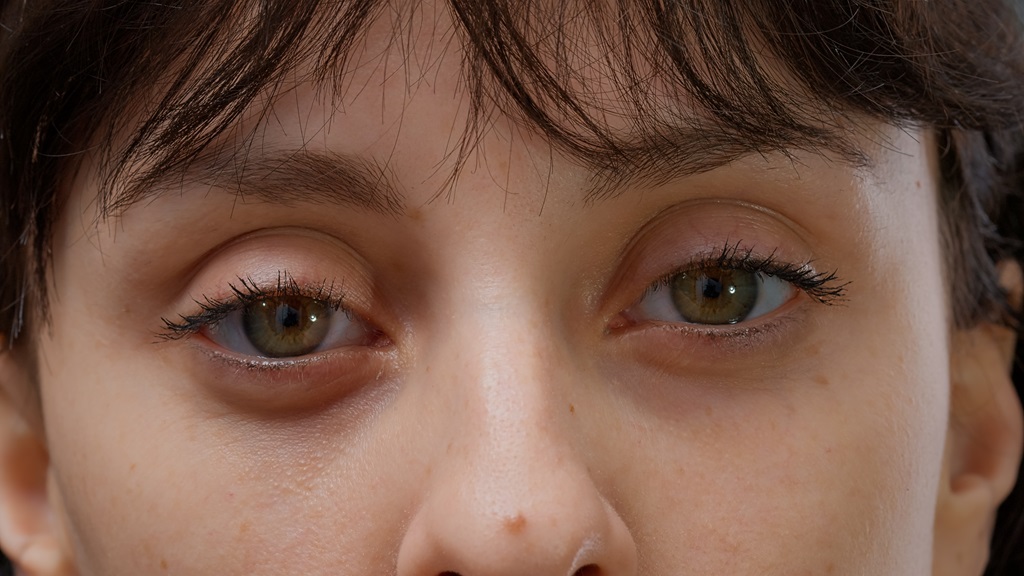
The appearance of the eyes can have an important influence on overall facial appearance. The eyelids, eyebrows, forehead, cheeks, and surrounding tissues work together to create the appearance of the upper and lower face. For this reason, an assessment before eyelid surgery involves more than simply examining the eyelids themselves.
During an Eyelid Bag Surgery Dubai consultation, the surgeon may evaluate several facial features to understand how the eyelids relate to the rest of the face. The assessment can include the position of the eyebrows, eyelid shape, skin characteristics, under-eye area, facial symmetry, eye position, and the relationship between the eyelids and surrounding facial structures.
A detailed assessment helps establish an individualised treatment plan. At Cornerstone, patients can discuss their concerns and aesthetic preferences while the surgeon evaluates the relevant facial features. Understanding these considerations can help patients know what to expect from a consultation for Blepharoplasty Dubai.
Why Are Facial Features Considered Before Eyelid Surgery?
The eyelids are part of a larger facial structure. Changes to the eyelids can influence the way the eyes appear in relation to the eyebrows, forehead, cheeks, and other surrounding features.
For this reason, the surgeon may assess the complete eye region rather than concentrating on one isolated feature.
The assessment can help determine:
- The natural shape and position of the eyelids
- The relationship between the eyebrows and upper eyelids
- The appearance of the lower eyelid area
- Facial symmetry
- The amount and position of visible eyelid skin
- The relationship between the eyes and surrounding facial structures
- The patient’s individual aesthetic goals
These observations can contribute to the development of a personalised surgical plan.
Assessing the Upper Eyelids
The upper eyelids are one of the primary areas examined during an eyelid surgery consultation.
The surgeon may assess the amount of visible upper eyelid skin and examine the natural crease, eyelid contour, and overall shape.
The position of the upper eyelid relative to the eyebrow may also be considered. These features can differ significantly from one person to another, so the assessment helps establish the patient’s natural anatomy before treatment planning.
Examining the Lower Eyelid Area
The lower eyelids can have different characteristics depending on the individual. During an Eyelid Bag Surgery Dubai assessment, the surgeon may examine the lower eyelid contour and the area beneath the eyes.
The assessment can include the appearance of under-eye fullness, skin characteristics, and the transition between the lower eyelid and cheek.
The relationship between these structures can influence how the lower eye area appears from different angles.
Considering Eyebrow Position
The eyebrows provide an important frame for the eyes. Their height, shape, and position can affect the appearance of the upper eyelids.
During the consultation, the surgeon may evaluate the position of the eyebrows and their relationship with the upper eyelid.
This is important because changes in the eyelid area can appear different depending on the natural position of the eyebrows.
The surgeon can therefore consider both structures when developing a treatment plan.
Evaluating Facial Symmetry
No face is perfectly symmetrical, and natural differences between the two sides are common.
However, the surgeon may examine the relative position of the eyes, eyebrows, eyelids, and other facial structures to understand the patient’s individual facial balance.
This assessment helps establish the starting point for treatment and allows the surgeon to take existing differences into consideration when planning the procedure.
Looking at Eye Shape
Eye shape is an important part of facial appearance. People naturally have different eyelid contours, eye openings, and relationships between the upper and lower eyelids.
During Blepharoplasty Dubai consultation, the surgeon may assess the shape and position of the eyes from different angles.
The goal of this evaluation is to understand the individual’s anatomy and determine how the eyelid area fits within the overall facial structure.
Examining the Eyelid Crease
The natural upper eyelid crease can vary in height, shape, and definition.
The surgeon may assess the existing crease and how it relates to the visible eyelid area.
This information can be useful when planning changes to the upper eyelid because the crease forms an important part of the eyelid’s natural appearance.
Considering Skin Characteristics
The quality and amount of eyelid skin may also be assessed.
The surgeon can examine the upper and lower eyelids to understand the distribution of visible skin and how it relates to the natural contours of the eyes.
Skin characteristics can differ between individuals, making an individual assessment important when planning eyelid surgery.
Assessing the Under-Eye Contour
The transition between the lower eyelid and cheek is another facial feature that may be considered.
The surgeon may examine the contour beneath the eyes and assess how the lower eyelid area relates to the cheeks.
This provides a broader understanding of the appearance of the lower face and helps the surgeon consider the eye region as part of the overall facial structure.
Evaluating the Cheek Area
The cheeks provide structural support around the lower eyelid region and contribute to the transition between the eyes and the middle portion of the face.
During an eyelid assessment, the surgeon may examine the position and contour of the cheeks in relation to the lower eyelids.
This can help provide context when evaluating the overall appearance of the under-eye area.
Considering the Forehead
The forehead is connected visually to the eyebrows and upper eyelids.
The surgeon may observe the forehead and eyebrow region when assessing upper eyelid appearance. The relationship between these areas can influence how much upper eyelid skin is visible.
Considering the forehead as part of the facial assessment allows the surgeon to evaluate the upper third of the face more comprehensively.
Examining the Relationship Between the Eyes and Face
The position of the eyes within the overall face can also be considered.
The surgeon may assess the distance between the eyes, their relationship with the nose and eyebrows, and how the eye region fits within the wider facial proportions.
This broader assessment can help ensure that eyelid treatment is planned in relation to the patient’s complete facial structure.
Assessing the Position of the Eyelids
The position of the upper and lower eyelids relative to the eyes may be evaluated during the consultation.
The surgeon can observe the eyelid margins, their position, and the overall opening of the eyes.
These observations provide useful information about the patient’s natural eyelid anatomy and can be incorporated into the treatment plan.
Looking at Facial Proportions
Facial proportions can influence how the eyes appear within the face.
The surgeon may consider the relationship between the eyes, eyebrows, forehead, cheeks, nose, and other facial structures.
Rather than evaluating the eyelids in isolation, this approach allows the surgeon to understand how the eye region contributes to overall facial balance.
Considering Different Facial Angles
The appearance of the eyelids can change depending on the viewing angle.
For this reason, the surgeon may assess the face from the front and from different side or angled positions.
Photographs may also be taken to document the facial features and assist with treatment planning.
Viewing the face from different perspectives provides additional information about the eyelid contours and their relationship with surrounding structures.
Discussing Natural Facial Expressions
Facial expressions can change the appearance of the eyelids and eyebrows.
The surgeon may observe the patient’s face while relaxed and during natural expressions to understand how the eyelid region behaves.
This can provide additional information about the relationship between the eyelids, eyebrows, and forehead.
A dynamic assessment can complement the observations made when the face is at rest.
Understanding the Patient’s Aesthetic Goals
Clinical assessment is only one part of planning eyelid surgery. The patient’s expectations and concerns are also important.
A patient may be primarily concerned with the appearance of the upper eyelids, while another may be more focused on the lower eye area.
The surgeon can discuss these concerns and consider them alongside the patient’s facial characteristics.
This allows the treatment plan to be tailored to the individual’s priorities.
How Photographs Can Support Assessment
Clinical photographs may be taken during the consultation to document the face from different angles.
These images can help the surgeon examine facial proportions, eyelid shape, eyebrow position, and overall symmetry.
Photographs may also provide a useful reference during the treatment planning process.
Why Individualised Assessment Matters
Every person’s facial anatomy is different. Eyelid shape, eyebrow position, skin characteristics, eye position, cheek structure, and facial proportions can all vary.
Because of these differences, there is no single eyelid design that applies to everyone.
An individualised assessment allows the surgeon to consider the patient’s unique facial characteristics and develop a treatment plan that reflects their anatomy and goals.
What Happens During a Blepharoplasty Consultation?
A consultation for Blepharoplasty Dubai generally begins with a discussion about the patient’s concerns and desired outcome.
The surgeon can then examine the eyelids and surrounding facial features. The upper and lower eyelids, eyebrows, forehead, cheeks, facial symmetry, and overall eye shape may all be assessed.
Photographs and other clinical records may be taken when appropriate.
The surgeon can then explain the relevant findings and discuss the proposed treatment approach. Patients have an opportunity to ask questions and understand how their individual facial characteristics are incorporated into the planning process.
How the Assessment Guides Treatment Planning
The information gathered during the consultation can help the surgeon determine which areas need to be considered as part of the treatment plan.
For example, the assessment may show that the primary focus should be the upper eyelid area, lower eyelid area, or both.
The surgeon can also consider how the planned treatment relates to the patient’s existing facial proportions and eye shape.
This structured approach helps make treatment planning specific to the individual rather than based on a standardised facial model.
Conclusion
A detailed facial assessment is an important part of planning Eyelid Bag Surgery Dubai. Although the procedure focuses on the eyelids, the surgeon may consider a much wider range of facial features, including the eyebrows, forehead, cheeks, eye shape, eyelid crease, facial symmetry, skin characteristics, and overall facial proportions.
Assessing these relationships provides a clearer understanding of the patient’s natural anatomy and helps the surgeon develop an individualised treatment plan. The patient’s aesthetic concerns and preferences can also be discussed alongside the clinical findings.
At Cornerstone, a consultation for Blepharoplasty Dubai provides an opportunity to understand how the eyelids relate to the rest of the face and how these characteristics may be considered when planning treatment.
FAQs
What facial features are considered before eyelid surgery?
The surgeon may consider the eyelids, eyebrows, forehead, cheeks, eye shape, facial symmetry, skin characteristics, eyelid crease, and overall facial proportions.
Why are the eyebrows assessed during eyelid surgery consultation?
The eyebrows frame the upper eyelids, and their position can influence how much upper eyelid skin is visible. Assessing both areas provides a more complete understanding of the upper eye region.
Are the lower eyelids assessed separately?
Yes. The surgeon may examine the lower eyelid contour, under-eye area, and transition between the lower eyelid and cheek as part of the assessment.
Does facial symmetry matter during eyelid surgery planning?
The surgeon may assess the relative symmetry of the eyes, eyebrows, and eyelids. Existing natural differences can be considered when developing the individual treatment plan.
Does eye shape affect eyelid surgery planning?
Yes. Natural eye and eyelid shapes vary between individuals, so the surgeon may consider the shape and position of the eyes when planning treatment.
Is the eyelid crease examined?
The natural upper eyelid crease may be assessed because its height, shape, and definition contribute to the appearance of the upper eyelid.
Why is the cheek area examined during lower eyelid assessment?
The lower eyelid transitions into the cheek, so examining both areas helps the surgeon understand the overall contour of the under-eye region.
Is the forehead considered during eyelid surgery planning?
The forehead may be assessed because it is visually connected to the eyebrows and upper eyelids. Its relationship with these structures can influence the appearance of the upper eye area.
Are facial proportions considered for Blepharoplasty?
Yes. The surgeon may consider the relationship between the eyes, eyebrows, forehead, cheeks, nose, and other facial structures when developing a treatment plan.
Does the surgeon look at the face from different angles?
The face may be assessed from the front and different angled views to understand the eyelid contours and their relationship with surrounding facial features.
Are facial expressions considered during assessment?
They may be. Observing the face at rest and during natural expressions can provide information about the movement and relationship of the eyelids, eyebrows, and forehead.
Are photographs taken before eyelid surgery?
Clinical photographs may be taken to document the patient’s facial features and provide useful references for treatment planning.
What is assessed during an upper eyelid examination?
The surgeon may examine the amount and position of visible eyelid skin, the eyelid crease, eyelid contour, eyebrow position, and relationship between the upper eyelid and surrounding facial structures.
What is assessed during a lower eyelid examination?
The lower eyelid contour, under-eye area, skin characteristics, and transition between the lower eyelid and cheek may be considered.
How does the surgeon understand the patient’s goals?
The consultation includes a discussion about the patient’s concerns, preferred appearance, and areas they would like to address. These goals can then be considered alongside the facial assessment.
Is every eyelid surgery treatment plan different?
Treatment plans can differ because facial anatomy, eyelid characteristics, eyebrow position, facial proportions, and individual aesthetic goals vary between patients.
What is Blepharoplasty Dubai?
Blepharoplasty Dubai refers to eyelid surgery performed to address specific concerns involving the upper eyelids, lower eyelids, or both, based on an individual assessment and treatment plan.
What is Eyelid Bag Surgery Dubai?
Eyelid Bag Surgery Dubai is a term commonly used for eyelid surgery focused on the appearance of fullness or bags around the eyes. The appropriate treatment approach depends on the individual’s facial and eyelid assessment.
Why is an individual consultation important?
An individual consultation allows the surgeon to assess the patient’s specific facial features, understand their concerns, and develop a treatment plan based on their anatomy and goals.
What should I discuss during an eyelid surgery consultation?
Patients can discuss their main concerns, preferred appearance, upper or lower eyelid areas they would like assessed, previous facial procedures, and any questions about the proposed treatment plan.
How does facial assessment help with eyelid surgery planning?
Facial assessment gives the surgeon a broader understanding of how the eyelids relate to the eyebrows, forehead, cheeks, eyes, and overall facial proportions. This information can contribute to personalised treatment planning.