
A home depends on a solid and dry foundation. When moisture builds up around the base of a structure, problems follow. Water can weaken soil, shift walls, and create expensive repairs. Understanding how proper drainage works helps homeowners protect their investment.
Why Drainage Matters
Managing water around a home keeps the soil stable and the structure secure. Many homeowners rely on Foundation Drainage Services to direct water away from their property. These systems reduce pressure on foundation walls and help prevent long-term damage. When installed and maintained properly, they support the entire structure for years.
Improper drainage leads to water pooling near the foundation. Over time, this moisture seeps into cracks and weak points. If ignored, the damage grows and repairs become more expensive. Early prevention is always cheaper than major reconstruction.
Common Warning Signs
Every homeowner should know the signs of poor drainage. Cracks in walls or floors are often early red flags. Musty smells in basements can indicate moisture intrusion. Peeling paint, warped trim, or uneven flooring also signal a hidden issue.
These signs do not appear overnight. They result from water slowly damaging the structure. By recognizing them early, homeowners can act before problems escalate. Regular inspections help reveal issues before they become serious.
Professional Solutions
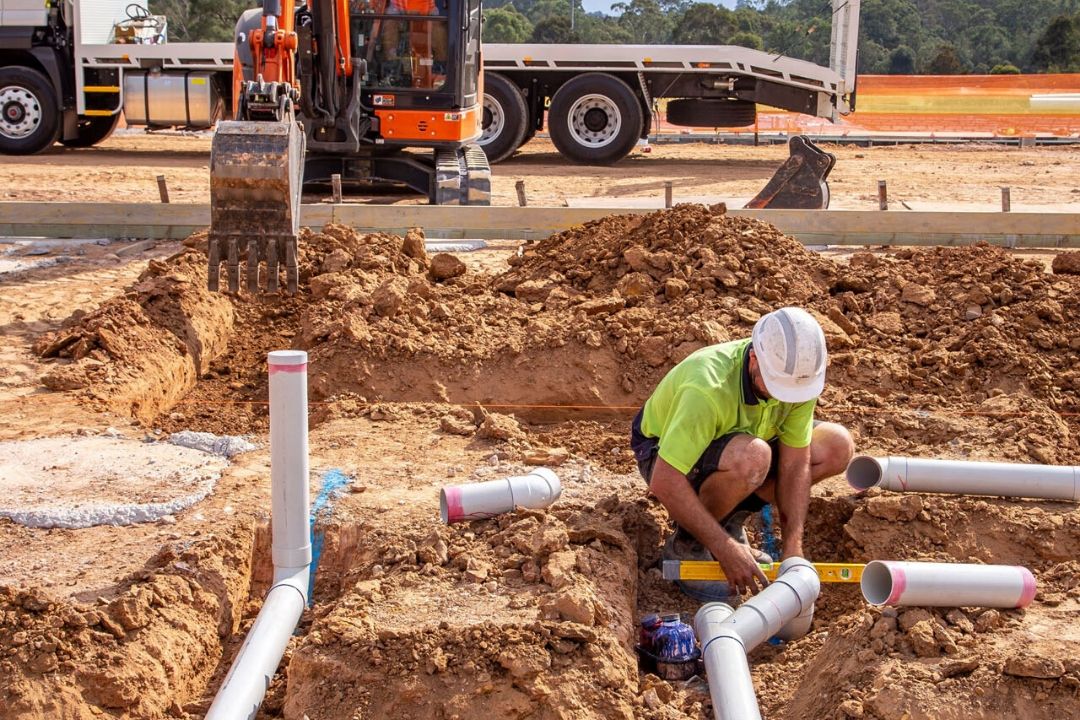
Experts use several methods to keep water away from foundations. French drains, sump pumps, and grading adjustments are among the common solutions. Each option manages moisture differently but aims for the same goal: keeping water away from the foundation.
Professionals also assess the soil around the home. Changes in weather, landscaping, or property elevation affect how water moves. By understanding these factors, contractors recommend the best long-term solutions. Routine maintenance ensures these systems continue to work properly.
Addressing Moisture Before It Spreads
Moisture problems spread quickly if not handled early. Once water enters the foundation, it can damage insulation, wiring, and structural components. This adds more cost and risk for the homeowner. Preventive systems reduce the likelihood of these issues.
Homeowners often delay repairs because early symptoms may seem harmless. However, waiting too long can double or triple repair costs. Acting quickly keeps damage contained and prevents major disruptions. Proper drainage remains one of the best defenses.
The last step before considering major structural repairs is often improving exterior drainage. Landscape adjustments, gutter extensions, and basic grading changes help direct water safely away. When done together, these simple steps create a strong protective system.
Before moving into the financial aspects, many homeowners also look at related home services, including Septic installation in my area, as both drainage and septic performance affect soil stability and moisture levels around the home.
Cost Savings Over Time
Investing in drainage protection saves money over the life of the home. Water damage often leads to costly foundation repairs and interior renovations. Drainage systems reduce these risks and provide long-term value. The savings far outweigh the initial installation cost.
Preventive care is more affordable than structural reconstruction. Small adjustments protect the home’s resale value and keep repair bills low. Homeowners who maintain their drainage systems enjoy fewer unexpected expenses.
Final Thoughts
Protecting a foundation starts with controlling the moisture around it. With proper planning and professional guidance, homeowners can avoid major damage. Simple steps make a big difference in the long-term stability of any structure. By focusing on drainage early, homeowners protect both their property and their peace of mind.